
Learning to swim opens up a world of fitness, safety, and fun. For beginners, choosing the right stroke to start with can make the learning process smoother, more enjoyable, and safer in the water. In this post, we’ll explore practical guidance on getting started, why certain strokes are better for beginners, and how swimming lessons in Preston can help you build a solid foundation.
Introduction: Why your first stroke matters
When you first step into the pool as a beginner, the goal is not to perform perfect technique but to gain confidence, breath control, and body awareness in the water. The best stroke for beginners is the one that helps you float, breathe comfortably, and move forward without excessive effort. While there are several options, freestyle (front crawl) is often the most common starting point, thanks to its efficiency and familiarity. However, our swimming lessons in Preston routinely tailor approaches to individual needs, so the “best” stroke can vary from person to person.
Understanding the basics before choosing a stroke
Before diving into strokes, beginners should master a few essentials:
- Buoyancy and body position: Keeping hips up and head in a neutral position helps reduce drag.
- Breathing rhythm: Learning a calm, relaxed breath pattern prevents fatigue.
- Gentle kicks and arm movements: Coordinated, small movements conserve energy.
- Water safety and comfort: Getting used to being submersed briefly and treading water builds confidence.
These fundamentals set the stage for choosing a stroke that feels sustainable as you improve.
Freestyle: The common starting point
Freestyle, or front crawl, is typically recommended as the best stroke for beginners for several reasons:
- Efficiency: It covers distance with relatively little energy when technique is consistent.
- Breathing: A side-breathing pattern helps you stay relaxed and reduces the risk of hyperventilating.
- Learnability: The sequence of arm recovery, reach, catch, and kick translates well into progressive skill development.
If you’re taking swimming lessons in Preston, instructors often start with buoyancy drills, then progress to the basic freestyle pattern: face in the water, one arm extending forward while the other recovers, a steady flutter kick, and a quick, controlled breath to the side.
Alternative options for nervous swimmers
Not everyone is ready to dive straight into freestyle. Some beginners prefer strokes that feel more controllable, such as:
- Breaststroke: Known for its natural glide and easier breathing because the face stays closer to the water. It’s excellent for building confidence and coordination, though it can be slower.
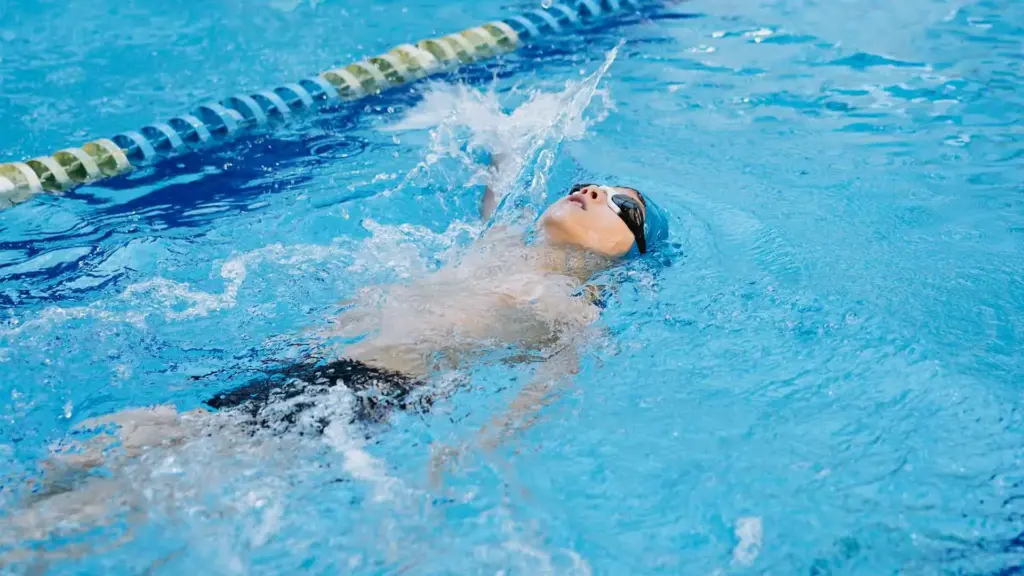
- Backstroke: Puts the face out of the water, which some learners find reassuring. It’s great for practicing rhythm and breathing, though it doesn’t build endurance as quickly as freestyle in early stages.
- Elementary backstroke or sidestroke: Slower but highly controllable, these can be stepping stones to more advanced strokes.
Our swimming lessons in Preston often incorporate these alternatives as stepping stones, allowing you to build comfort in the water before committing to a faster stroke.
The role of our swimming lessons in Preston, in building a strong foundation
Professional lessons provide structured progression, safety, and accountability:
- Assessing buoyancy and comfort in the water.
- Introducing safety skills, such as treading water, floating, and basic rescue techniques.
- Gradually teaching stroke mechanics with feedback, drills, and video analysis if available.
- Setting realistic milestones that match your fitness level and goals.
Working with a qualified instructor helps ensure your readiness for each transition, reducing frustration and preventing the development of inefficient habits.
Progression: from beginner to confident swimmer
As you gain confidence, focus on these progression steps:
- Refine breathing: Develop a consistent side-breath pattern and reduce hesitancy.
- Streamline position: Keep the body long and horizontal to minimize drag.
- Coordinated timing: Synchronize arm pulls, leg kicks, and breathing.
- Endurance building: Gradually extend distance while maintaining technique.
- Water safety and etiquette: Learn pool rules, etiquette, and how to help others in need.
Remember, progression is not linear. Some weeks you’ll feel faster; other weeks you’ll need to slow down and revisit fundamentals.
Tips to practice at home and in the pool
- Practice floating and gliding with minimal effort to build confidence.
- Sit on the pool edge and practice leg kicks with a board to isolate the kick.
- Use pull buoys or kickboards to focus on specific aspects of stroke technique.
- Keep a relaxed jaw and soft neck to avoid tension.
If you’re enrolled in swimming lessons Preston, your instructor may assign specific drills and practice routines to reinforce your in-pool sessions.
Final thoughts: finding the right stroke for you
The best stroke for beginners is the one that helps you stay relaxed, breathe comfortably, and move forward with confidence. While freestyle is commonly recommended for its efficiency, the right choice may vary depending on your comfort level, goals, and available instruction. Swimming lessons Preston can be a valuable resource in your journey, offering personalised guidance, safety coaching, and a clear path toward mastery. With patience, consistent practice, and supportive coaching, you’ll build a solid foundation that opens the door to more advanced techniques and longer swims.