

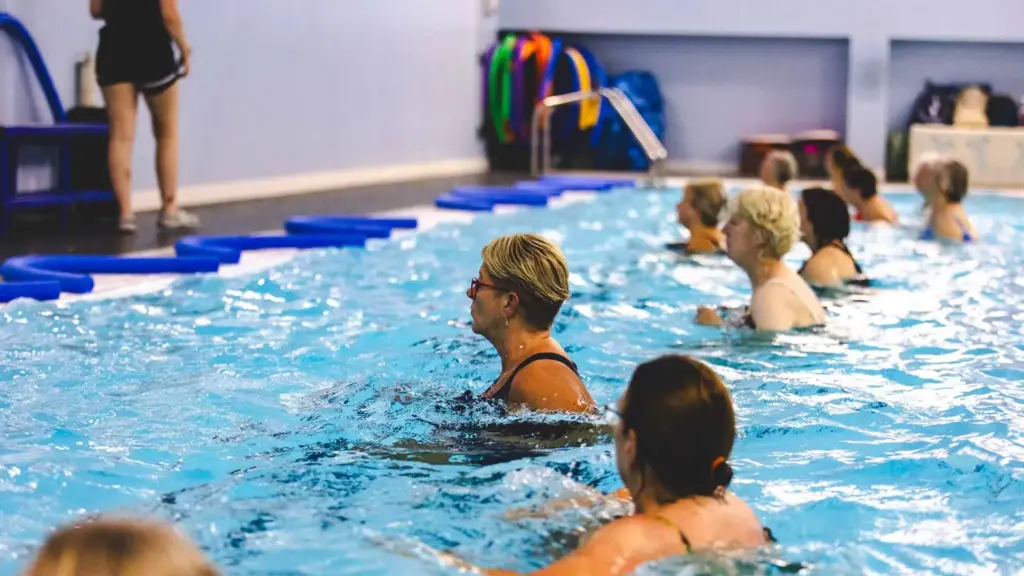
Swimming is a fantastic way to stay fit, relieve stress, and enjoy the water. But what should you do if you have a small cut? This question comes up often, especially for active people who love activities like preston adult lane swimming or general lap swimming. In this post, we’ll look at when it might be okay to swim with a minor cut, the risks involved, and how to minimise those risks so you can make a safe, informed decision.
Understanding the Risks of Swimming with a Cut
A small cut might seem insignificant, but swimming introduces several factors that can affect healing. Chlorine and other pool chemicals can irritate the skin, potentially slowing healing or causing discomfort. There is also the issue of bacteria in the water, which, even in well-maintained pools, can increase the risk of infection if a cut is not fully protected. For swimmers who participate in preston adult lane swimming sessions, the exposure is continuous and shared, which raises the importance of being cautious.
Key points to consider:
- Infection risk: A cut provides an entry point for bacteria, and pool water is not sterile.
- Irritation and healing: Chlorine can sting and irritate delicate skin, possibly prolonging recovery.
- Sharing gear and water: Wet skin, towels, or pool surfaces can transfer bacteria more easily.
When It Might Be Okay to Swim
If the cut is very small, clean, dry, and well-covered, some swimmers decide it is acceptable to swim, especially if they are in a protected environment with good pool hygiene. Here are some guidelines to help you decide:
- Depth and location: Small cuts on non-weight-bearing areas (like the forearm) may be less risky than cuts on joints or hands that could reopen during vigorous activity.
- Covering the wound: Use a waterproof bandage or a specialised wound-care waterproof dressing designed for swimming. Ensure the cover is secure and does not waterlog easily.
- Cleanliness: Before swimming, wash the area with mild soap and water and pat dry.
- Pool hygiene: Swim only in well-maintained pools with proper chlorination and hygiene protocols. If you are unsure about the pool’s cleanliness, it’s better to skip the session.
Alternatives to Consider
If the cut is recent or you’re unsure about the risks, consider alternatives that keep you active without exposing the wound to pool water:
- Dry-land workouts: Cardio, strength training, or mobility work can be done safely away from the water.
- Home swimming drills: Practice in-your-head drills or use a swimming pool in a way that reduces time with the water on the wound, if advised by a clinician.
- Postpone your session: Give the cut time to heal before returning to preston adult lane swimming or other public pool activities.
How to Care for a Cut After Swimming
If you do decide to swim with a small cut, it’s essential to take care of the wound immediately after swimming:
- Rinse and clean: Rinse the area with clean water and mild soap to remove chlorine and bacteria.
- Pat dry and inspect: Gently pat the area dry and check for signs of irritation or infection.
- Re-cover: Reapply a clean waterproof bandage if you must return to the pool or if you plan to swim again soon.
- Monitor for infection: Watch for redness, swelling, warmth, pus, or increasing pain. If any signs of infection appear, seek medical advice promptly.
Practical Tips for Preston Adult Lane Swimming
For those who regularly participate in preston adult lane swimming, maintaining a healthy approach to minor injuries is part of smart training hygiene. Consider the following practical tips:
- Communicate with pool staff: If you have a cut, let the pool staff know so they can advise on pool rules and surface cleanliness.
- Timing your sessions: If your wound is healing, you might plan your workouts around your recovery timeline, gradually returning to full intensity.
- Personal equipment: Bring your own towel, flip flops, and wound-care supplies to minimise infection risk and ensure you can manage your cut effectively.
When to Seek Medical Advice
If the cut is deep, won’t stop bleeding, shows signs of infection, or if you have underlying health conditions that affect healing, consult a healthcare professional. People with diabetes, compromised immune systems, or poor circulation should be especially cautious, as infections can be more serious.
Final Thoughts
Swimming with a small cut is not a one-size-fits-all decision. It depends on the wound’s size, location, your healing progress, and the pool environment. When in doubt, err on the side of caution and prioritise healing over a single session. If you decide to swim, protect the wound properly, maintain excellent pool hygiene, and monitor the area closely for any signs of trouble. For those who love staying active, consider timing your preston adult lane swimming around your recovery and exploring dry-land alternatives as needed. By taking a careful, informed approach, you can balance your passion for swimming with the health needs of your skin.