
If you’re curious about getting a solid cardio workout without putting stress on your joints, 30 minutes of aqua aerobics can be a fantastic option. In this post, we’ll explore how many calories you might burn, what factors influence your burn, and how to maximise the efficiency of your aqua aerobics sessions. We’ll also touch on local context, including options around aqua aerobics Preston, so you have practical steps to get started.
Introduction: why choose aqua aerobics
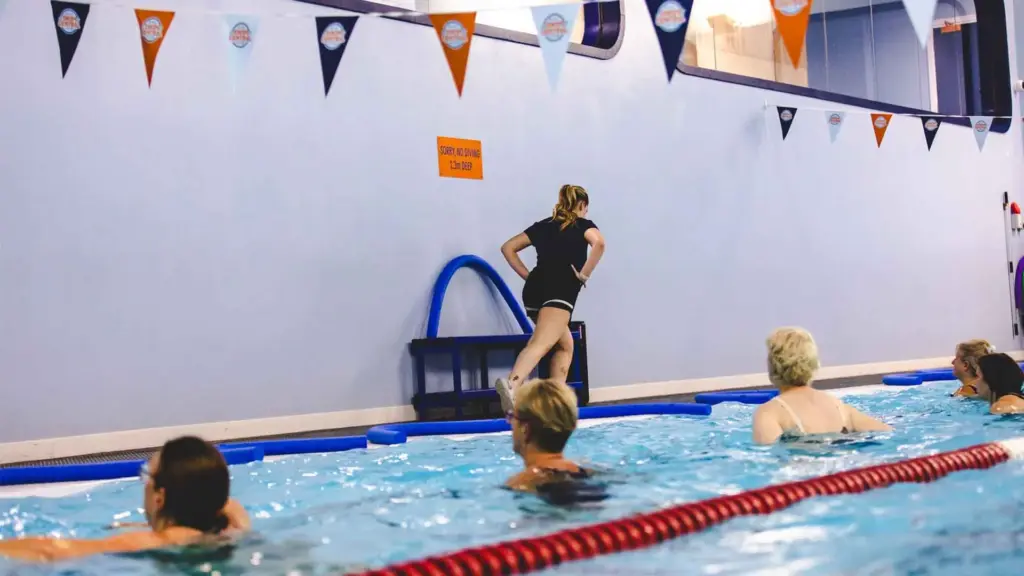
Aqua aerobics blends resistance training with aerobic exercise, all performed in water. The buoyancy reduces impact on the hips, knees, and spine, while water resistance increases effort without feeling overwhelming. For many people, this makes it easier to maintain consistency while still delivering meaningful calorie burn. If you’re aiming to shape up, lose weight, or simply improve cardiovascular fitness, 30 minutes is a realistic, effective window to push hard enough to see results.
How calories are estimated in aqua aerobics
Calorie burn estimates depend on several variables, including body weight, effort level, format of the class, and water temperature. In general, aquatic workouts tend to burn fewer calories per minute than high-impact land-based workouts, but the resistance of water can compensate by increasing intensity.
- Body weight: Heavier individuals typically burn more calories for the same activity.
- Intensity: A vigorous class with continuous movement will yield a higher calorie burn than a light, gentle session.
- Movement efficiency: Efficient techniques (proper form, steady cadence) improve the workout’s effectiveness.
- Environment: Warmer water may feel easier but can affect perceived exertion and calorie expenditure.
If you attend a standard 30-minute aqua aerobics class, you might expect a broad range of calories burned per session. For many participants, the range tends to fall roughly between 150 and 350 calories for a half-hour, depending on the factors listed above. This is a useful guide for planning your weekly activity and setting realistic goals.
Realistic calorie estimates: what to expect
To give you a practical sense of numbers, here are typical estimates by intensity level:
- Light intensity: around 140–180 calories in 30 minutes for an average-weight person.
- Moderate intensity: around 220–280 calories in 30 minutes.
- Higher intensity or competitive rhythm: 300–350+ calories in 30 minutes for someone who is physically fit and pushing hard.
Remember, these figures are estimates. Individual results will vary based on weight, technique, and exertion. If you’re measuring progress, pairing calorie burn with perceived effort and heart rate can provide a fuller picture of how your aqua aerobics sessions are working for you.
How to maximise calorie burn in aqua aerobics
If your goal is to burn more calories during a 30-minute session, try these practical tips:
- Increase resistance: Push harder against the water by using larger ranges of motion and maintaining consistent tempo.
- Add interval work: Alternate between bursts of high-intensity moves and brief recovery periods to raise overall energy expenditure.
- Focus on form: Maintain good posture and technique to ensure you’re engaging major muscle groups effectively.
- Use equipment: Water dumbbells, kickboards, or aqua gloves can add extra resistance and variety.
- Extend duration gradually: If you’re new to aqua aerobics, start with shorter sessions and progressively increase intensity and duration as your fitness improves.
In the Preston area, many pools and fitness centres offer varied aqua aerobics classes. If you’re looking for a friendly, community-focused option, you’ll often find a timetable that fits around work and family commitments.
The health benefits beyond calories
While calorie burn is one useful metric, aqua aerobics provides broader benefits that make it a compelling activity:
- Joint-friendly cardio: Water buoyancy lessens impact, making it suitable for beginners, seniors, or those returning from injury.
- Muscular endurance: Repeating resistance exercises in water strengthens both upper and lower body without heavy loading.
- Flexibility and balance: The water environment supports stability while you move through a full range of motion.
- Social engagement: Group classes can improve motivation and consistency, especially when you’re training in a welcoming Preston community.
Practical tips for getting started
If you’re new to aqua aerobics or haven’t exercised in a while, keep these tips in mind:
- Check medical clearance if you have any health concerns.
- Wear a properly fitting swimsuit and a non-slip pair of water shoes if possible.
- Bring a towel and a water bottle; stay hydrated, even in the water.
- Arrive a few minutes early to get comfortable with the pool environment.
- Start at a moderate pace and gradually increase intensity as your fitness improves.
For readers specifically searching for local options, “aqua aerobics Preston” is a commonly used query. Exploring the Preston leisure centres, community pools, and fitness clubs with aqua classes can help you find a convenient schedule, reasonable class sizes, and a supportive instructor team.
Final thoughts
A 30-minute aqua aerobics session can offer a meaningful calorie burn, especially when you tailor the workout to your fitness level and goals. Whether you’re aiming to lose weight, build cardiovascular fitness, or simply enjoy a social, low-impact workout, the water’s natural resistance makes every minute count. Remember that individual calorie estimates are just guidelines; consistency, proper technique, and progressive challenge are the real drivers of results.
If you’re in the Preston area and curious about local options, try a few aqua aerobics classes to gauge what works best for you. Over time, you’ll likely find a rhythm that suits your schedule, your body, and your health goals, all while reaping the broader benefits of exercising in water.