

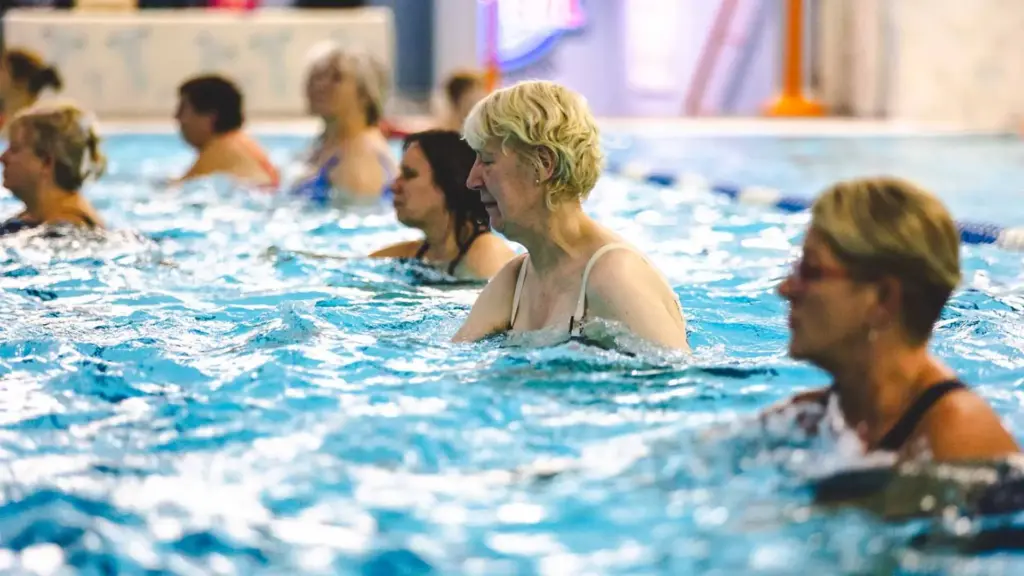
Water has a way of changing even simple activities into something refreshing, low-impact, and surprisingly effective. When comparing aqua aerobics to walking, it’s not about declaring one activity universally “better” than the other; it’s about understanding the goals, your body, and the environment in which you exercise. This post will explore how aqua aerobics Preston sessions stack up against walking, highlighting benefits, considerations, and practical tips so you can choose the approach that fits your fitness journey.
Introduction: Why compare aqua aerobics Preston with walking?
For many people, the choice between aqua aerobics Preston and walking comes down to impact, accessibility, and community. Walking is the classic, low-cost entry point to physical activity, requiring no special equipment beyond a good pair of shoes. Aqua aerobics Preston, on the other hand, introduces water resistance, buoyancy, and a social group dynamic that can reshape how you move and progress. By examining intensity, joint health, caloric burn, and enjoyment, you’ll be better equipped to decide which path aligns with your needs.
What is aqua aerobics Preston and who is it for?
Aqua aerobics Preston refers to structured group classes conducted in a pool, typically led by a qualified instructor. These sessions mix cardio, strength, and flexibility work using water resistance, foam equipment, and dynamic movements. They are suitable for a wide range of ages and abilities, especially:
- People with joint pain or arthritis seeking low-impact exercise
- Those recovering from injury under professional guidance
- Individuals looking for a social, motivating environment
- Anyone seeking a high-burn workout in a fun, refreshing setting
Understanding the basics helps you decide if this water-based modality complements or even exceeds walking in your routine.
Calorie burn and intensity: how they compare
Calorie expenditure depends on several variables, including body weight, effort, and duration. In general:
- Walking: A brisk walk (about 3–4 mph) typically burns around 250–350 calories per hour for many adults, with variations based on speed, terrain, and fitness level.
- Aqua aerobics Preston: Water resistance increases workout intensity without relying solely on impact. A moderate aqua aerobics session can burn roughly 400–600 calories per hour, depending on intensity, moves performed, and pool temperature.
Therefore, for a given hour, aqua aerobics Preston often delivers a higher caloric burn than walking, thanks to continuous resistance and larger muscle engagement. However, keep in mind that class structure, your effort, and water depth will influence the actual numbers.
Joint health, impact, and recovery
One of the most compelling reasons people try aqua aerobics Preston is the protective effect of water on joints. Buoyancy reduces effective body weight, which:
- Lowers load on hips, knees, and spine
- Reduces impact-related pain during movement
- Supports movements that might be challenging on land
Walking is weight-bearing and excellent for bone health, but it can aggravate joints for people with osteoarthritis or previous injuries. Aqua aerobics Preston offers a gentler environment to maintain mobility while progressively building strength and endurance. On the flip side, land-based walking does promote bone density and functional offline mobility, so many fitness plans blend both modalities.
Muscular engagement and range of motion
Water creates resistance in every direction, which means aqua aerobics Preston:
- Activates larger muscle groups in the legs, core, back, and arms
- Encourages full-range, multi-planar movements
- Improves balance and stability in a way that can transfer to daily activities
Walking primarily targets the lower body and cardiovascular system, with less systemic resistance. If your goal includes improving muscular endurance and joint stability across multiple planes, aqua aerobics Preston can offer more comprehensive engagement per session.
Accessibility, convenience, and social aspects
Walking wins on simplicity and accessibility. All you need is good footwear and safe routes. It’s easy to fit a walk into a lunch break or after work. Aqua aerobics Preston requires access to a pool, dedicated classes, and adherence to pool schedules. However, the social element of aqua aerobics Preston can be a strong motivator for many:
- Consistent attendance through group accountability
- Structured workouts with professional guidance
- Motivation from peers and instructors
- The refreshing environment of a pool, which can feel more enjoyable than dry land workouts
If social motivation is a key driver, aqua aerobics Preston often has the edge.
Safety considerations and preferences
Both activities carry minimal but real risks if done incorrectly.
- Walking: Watch for overuse injuries, especially if you’ve got existing knee or hip issues. Proper footwear, gradual progression, and soft surfaces help reduce risk.
- Aqua aerobics Preston: Ensure you have the right swim skills for pool safety, understand water depth, and follow instructor cues. Hydration remains important in pool environments, even though you’re in water.
Personal preference matters too. Some people adore the buoyant, cool environment of a pool, while others prefer the outdoors and fresh air of walking. The best choice is the one you’ll stick with consistently.
How to combine both for balanced fitness
Many fitness enthusiasts find that a combination yields the best outcomes. A sample weekly plan might include:
- 2–3 days of brisk walking (30–60 minutes each)
- 1–2 aqua aerobics Preston sessions (45–60 minutes each)
- Optional strength work or mobility sessions on alternate days
This blend delivers cardiovascular benefit, muscle engagement, joint-friendly movement, and social engagement, all while mitigating overuse injuries.
Getting started with aqua aerobics Preston
If you’re curious about aqua aerobics Preston, here are practical tips to dive in:
- Check with local pools for class schedules, fees, and instructor qualifications
- Start at a low intensity, especially if you’re new to water-based exercise
- Wear comfortable, well-fitting swim gear and water shoes if recommended
- Hydrate before and after class; pool air can be deceptively dry
- Communicate any injuries or medical conditions to the instructor
Final thoughts
Choosing between aqua aerobics Preston and walking isn’t about picking a single best option. It’s about matching your goals, lifestyle, and preferences. Aqua aerobics Preston offers high-calorie burn, low joint impact, and a vibrant social environment, making it an excellent option for those seeking a structured, supportive workout in the water. Walking provides simplicity, accessibility, and bone-strengthening benefits with minimal barriers to entry. For many people, a balanced combination of both activities delivers the richest set of benefits: robust cardiovascular health, improved muscular endurance, lighter joint loading, and greater overall enjoyment. Whichever path you choose, consistency remains the most powerful predictor of long-term fitness success.