
Choosing between aqua aerobics and swimming can feel like picking between two excellent workouts. Both activities take place in water, offer joint-friendly movement, and help you stay active. Yet they serve different goals, audiences, and experiences. This blog explores the key differences, benefits, and considerations to help you decide whether aqua aerobics or swimming is better for you, with a particular nod to options like aqua aerobics Preston for local enthusiasts.
Introduction: Why water-based exercise matters
Water-based workouts combine resistance, buoyancy, and hydrostatic pressure to create an effective training environment. The buoyancy reduces impact on joints, making it ideal for people with arthritis, injuries, or those recovering from surgery. The resistance of water increases effort without requiring heavy loads, which can improve cardiovascular fitness, muscular strength, and flexibility.
Aqua aerobics Preston is a popular way to tap into these benefits in a social, structured setting. For many, the group dynamic and guided routines keep motivation high while delivering a challenging workout. Swimming, on the other hand, offers a more individual, skill-based approach that can scale from casual laps to competitive training.
What is aqua aerobics?
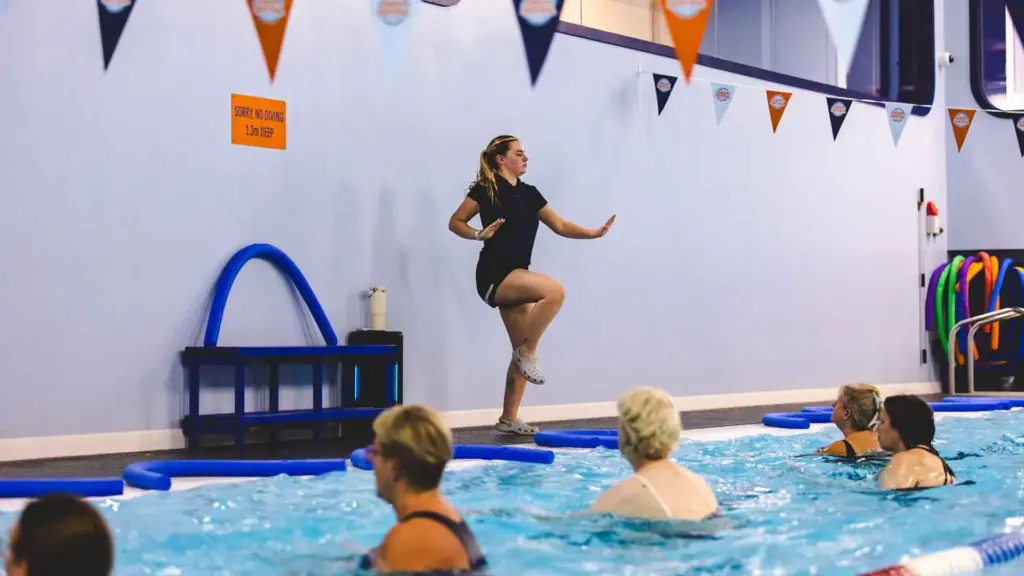
Aqua aerobics is a low-impact cardiovascular workout performed in shallow water, usually waist to chest-deep. Classes typically involve dynamic movements such as leg lifts, arm curls, jumping jacks, kicks, and step-like patterns set to music. The water provides natural resistance, making movements more difficult and fuel-efficient than land-based cardio.
Key features of aqua aerobics:
- Structured routines led by a qualified instructor
- Emphasis on cardiovascular endurance, core stability, and muscular endurance
- Social, inclusive environment that welcomes all fitness levels
- Adaptations available for beginners, seniors, or those with injuries
Aqua aerobics Preston studios and community pools offer a range of class formats, from gentle water aerobics for beginners to high-energy sessions for more seasoned participants.
What is swimming?
Swimming is a versatile activity that ranges from leisurely laps to technique-driven workouts. It emphasises breath control, stroke mechanics, and overall endurance. Unlike aqua aerobics, swimming routines are often self-directed or coach-guided and can be tailored to a wide range of objectives, including:
- Skill development (freestyle, breaststroke, backstroke, butterfly)
- Distance and speed training
- Open-water conditioning and safety
- Rehabilitation and low-impact fitness through steady, continuous movement
Swimming builds cardiovascular fitness, upper- and lower-body strength, and lung capacity. It also demands coordination and technique, which can be highly satisfying as skills improve.
Which is better for your goals?
Determining whether aqua aerobics or swimming is better depends on your goals, preferences, and physical condition. Here are several common scenarios:
- If you want a social, low-impact workout with structured routines: aqua aerobics Preston is likely the better fit. Group format, music, and a supportive instructor can make exercise enjoyable and sustainable.
- If your aims include mastering stroke technique, setting personal time goals, or training for endurance events: swimming offers more opportunities for skill development and progression.
- If you’re recovering from an injury or seeking gentle movement: both options can work, but aqua aerobics often provides a more controlled, shallow-water environment with clear elevation in activity intensity.
Benefits of aqua aerobics
Aqua aerobics provides a host of advantages that make it appealing for many people:
- Low-impact on joints: Water buoyancy reduces joint loading, easing movement for knees, hips, and back.
- Improved cardiovascular health: Continuous movement builds heart and lung fitness.
- Core and balance improvements: Water instability challenges stabilising muscles.
- Social engagement: Group classes foster accountability and motivation.
- Accessibility: Suitable for all fitness levels, including beginners, seniors, and those undergoing rehabilitation.
If you’re in Preston, trying an aqua aerobics class can be a friendly, approachable entry point into regular exercise. The social aspect often encourages consistency and creates a sense of community.
Benefits of swimming
Swimming offers its own robust set of advantages:
- Full-body conditioning: Constant propulsion engages arms, shoulders, back, core, and legs.
- Skill acquisition: Learning and refining strokes can be intellectually and physically rewarding.
- Personal pacing: You can control intensity easily, either by distance, speed, or technique.
- Mental clarity: The repetitive nature of swimming laps can be meditative and stress-relieving.
- Versatility: From leisure swims to triathlon training, swimming supports diverse goals.
For those who prioritise individual progress and technical mastery, swimming can deliver substantial long-term gains.
Practical considerations: safety, accessibility, and commitment
- Safety: Both activities require basic water safety awareness. In aqua aerobics, be mindful of splashes, slippery surfaces, and staying hydrated. In swimming, practice proper breathing techniques and learn safe entering/exiting strategies.
- Accessibility: Aqua aerobics Preston studios often offer beginner-friendly classes and adjustable water depths. Swimming may require access to a pool with lanes or a private space for drills.
- Commitment: If you thrive on routine, a fixed aqua aerobics class schedule can sustain motivation. If you prefer flexibility, swimming might be easier to fit around your day.
Final thoughts
Is aqua aerobics better than swimming? The answer is: it depends on what you’re seeking. If you want a social, low-impact, structured workout with the feel of a dance-like routine, aqua aerobics Preston may be the perfect choice. If you aim to build technical swimming skills, push for longer distances, or enjoy solo practice, swimming offers unmatched versatility and progression.
Many fitness enthusiasts actually combine both activities to reap the benefits of each. You could start with aqua aerobics to build confidence, mobility, and cardiovascular fitness, then transition to swimming laps to enhance endurance and technique, or mix sessions to keep workouts varied and engaging.
Whichever path you choose, consistency is key. Regular participation in water-based exercise supports joint health, cardiovascular fitness, and overall well-being, making it a compelling option for people at all fitness levels. Consider trying a few classes in Preston to see which format resonates with you, and don’t be afraid to tailor your routine over time as goals, preferences, and circumstances evolve.